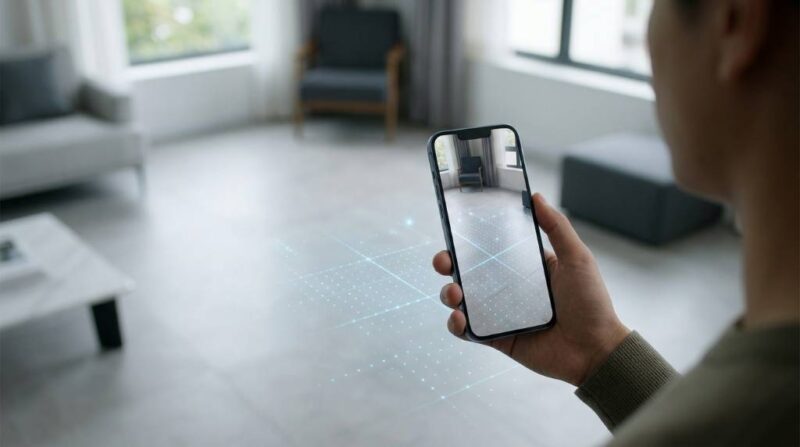
Augmented reality has changed how consumers interact with products before making purchases. The global augmented reality market continues to expand rapidly, with industry reports estimating market growth beyond $100 billion in the coming years. Additionally, studies show that over 70% of shoppers prefer brands offering immersive product visualization experiences. Understanding test AR Apps as become essential for developers, retailers, and quality assurance teams across the USA. Effective AR testing ensures accurate product visualization, smooth performance, and better customer satisfaction while reducing product returns.
Why Testing AR Apps Matters for Live Product Visualization
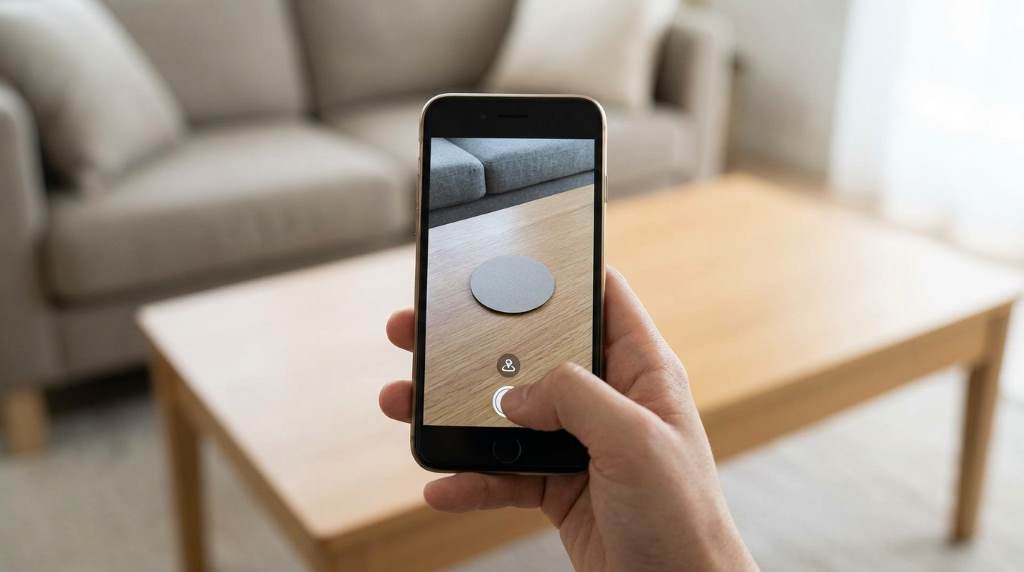
Testing augmented reality applications involves much more than checking whether a virtual object appears on a screen. Developers must verify environmental accuracy, object scaling, interaction responsiveness, and device compatibility. Proper testing helps businesses deliver realistic experiences that improve customer confidence.
Moreover, AR applications often process sensitive user data and device information. Therefore, organizations should also understand digital security practices, similar to strategies discussed in compare vpn services home network security environments. Strong testing procedures reduce performance issues and security vulnerabilities.
Benefits of Thorough AR Testing
- Improves customer trust
- Reduces product return rates
- Enhances user experience
- Ensures cross-device compatibility
- Identifies performance bottlenecks
- Supports higher conversion rates
How to Test AR Apps
Device compatibility remains one of the biggest challenges in augmented reality testing. Various smartphones and tablets contain different sensors, processors, cameras, and operating systems. Consequently, testers must verify performance across multiple hardware configurations.
Testing should include flagship devices, mid-range smartphones, and older models. This approach ensures broader accessibility while preventing unexpected user experience issues. Comprehensive testing also identifies device-specific rendering problems.
Device Testing Checklist
- Camera quality variations
- Operating system versions
- Screen resolutions
- Processor performance
- Sensor calibration accuracy
- Battery consumption rates
Additionally, testers should evaluate application stability during prolonged usage sessions. Extended testing often reveals memory leaks and overheating problems that shorter tests may miss.
Testing Environmental Recognition and Object Placement
Environmental detection serves as the foundation of every successful AR experience. Users expect virtual products to appear naturally within their physical surroundings. Therefore, testing various lighting conditions becomes essential.
Testers should evaluate applications indoors, outdoors, during daylight, and under artificial lighting. Environmental factors significantly affect object recognition accuracy and tracking stability.
Furthermore, digital infrastructure security remains important when testing connected devices and smart environments. Businesses concerned about cybersecurity practices can review approaches discussed in protect home wifi network hackers scenarios.
Environmental Testing Scenarios
- Bright sunlight exposure
- Low-light environments
- Reflective surfaces
- Textured backgrounds
- Moving environments
- Crowded spaces
Accurate environmental testing improves user confidence and minimizes placement errors during live product demonstrations.
Verifying Product Scale and Measurement Accuracy
One of the primary reasons consumers use AR shopping applications involves viewing products at realistic sizes. Therefore, scale accuracy testing requires special attention during quality assurance processes.
Testers should compare virtual objects against physical measurements using standardized tools. Even small scaling errors can negatively impact purchasing decisions and customer satisfaction.
Measurement Validation Methods
- Compare against physical products
- Use measuring tape references
- Test multiple room sizes
- Verify object proportions
- Measure distance calculations
Additionally, testing teams should document measurement tolerances and establish acceptable error thresholds for different product categories.
Testing User Interaction and Gesture Controls
User interaction determines how naturally customers engage with augmented reality experiences. Therefore, gesture recognition testing requires extensive evaluation across multiple scenarios.
Applications should respond consistently to taps, swipes, pinches, rotations, and movement gestures. Delayed responses often create frustration and reduce user engagement.
Essential Interaction Tests
- Object rotation responsiveness
- Pinch-to-zoom accuracy
- Drag-and-drop functionality
- Touch sensitivity consistency
- Multi-finger gesture recognition
Moreover, accessibility testing should verify whether users with different physical abilities can comfortably interact with the application.
Evaluating AR Tracking Stability
Stable tracking creates realistic and immersive AR experiences. Without proper tracking, virtual products may drift, jitter, or disappear unexpectedly.
Testing teams should evaluate tracking under various movement conditions. Slow movements, rapid movements, and environmental changes all affect tracking performance.
Tracking Performance Metrics
- Object drift frequency
- Tracking recovery speed
- Frame stability
- Position accuracy
- Surface detection consistency
Continuous tracking evaluation helps developers optimize algorithms and improve overall application reliability.
Testing AR App Performance and Speed
Performance optimization remains critical because AR applications demand substantial computing resources. Poor performance often leads to application abandonment.
Testing should include processor utilization, memory consumption, battery usage, and rendering speed measurements. Performance benchmarks provide valuable optimization insights.
Key Performance Indicators
- Application startup time
- Frame rate stability
- Battery consumption
- Memory allocation
- CPU utilization
- GPU performance
Additionally, testers should monitor background processes that may affect application responsiveness during extended sessions.
Testing Network Connectivity and Cloud Features
Many AR applications rely on cloud services for product catalogs, analytics, and real-time updates. Therefore, connectivity testing remains essential.
Applications should maintain functionality under various network conditions, including weak signals and temporary interruptions. Offline functionality testing also improves user experiences.
Connectivity Test Cases
- WiFi connections
- Cellular networks
- Slow internet speeds
- Network interruptions
- Offline operation
Reliable connectivity handling minimizes customer frustration and increases application usability.
Conducting Real User Testing Sessions
Technical testing alone cannot fully evaluate user experiences. Therefore, involving real users during testing phases provides valuable behavioral insights.
User testing sessions reveal navigation difficulties, usability concerns, and unexpected interaction patterns. These observations often uncover issues missed during internal testing.
User Testing Best Practices
- Recruit diverse participants
- Record user interactions
- Measure task completion rates
- Collect direct feedback
- Analyze behavioral patterns
Furthermore, iterative testing cycles help continuously improve the application’s overall effectiveness.
Tools Used to Test AR Applications
Professional testing teams use specialized tools to evaluate augmented reality applications efficiently. Selecting appropriate tools improves testing accuracy and development speed.
Popular AR Testing Tools
- ARCore Developer Tools
- ARKit Testing Framework
- Unity Test Framework
- Firebase Performance Monitoring
- Xcode Instruments
- Android Studio Profiler
Combining automated testing with manual validation produces the most comprehensive quality assurance results.
Common AR Testing Mistakes to Avoid
Many organizations underestimate the complexity of augmented reality testing. Consequently, overlooked issues often affect user satisfaction after deployment.
Teams should avoid relying exclusively on simulators because real-world environments create unpredictable variables. Physical device testing remains essential.
Frequent Testing Errors
- Ignoring environmental variations
- Testing limited device models
- Skipping user feedback sessions
- Overlooking battery consumption
- Neglecting network testing
- Ignoring accessibility requirements
Addressing these mistakes early significantly reduces post-launch support challenges.
Conclusion
It require evaluating device compatibility, environmental recognition, tracking accuracy, user interaction, and performance optimization. Comprehensive testing ensures that customers receive realistic, responsive, and reliable augmented reality experiences.
As AR adoption continues expanding across the USA market, businesses that prioritize rigorous testing will achieve stronger customer engagement and improved conversion rates. Start implementing structured AR testing strategies today to build immersive experiences that users trust.
Frequently Asked Questions
What is AR app testing?
AR app testing verifies functionality, performance, accuracy, and user experience in augmented reality applications.
Why is device compatibility important in AR testing?
Different devices contain varying hardware capabilities that affect AR performance and functionality.
How do testers check AR object accuracy?
Testers compare virtual objects with physical measurements and real-world references.
What tools are commonly used for AR testing?
Popular tools include ARCore, ARKit, Unity Test Framework, and Firebase Performance Monitoring.
Why should businesses perform real-user AR testing?
Real users identify usability issues and interaction challenges that technical tests may miss.