
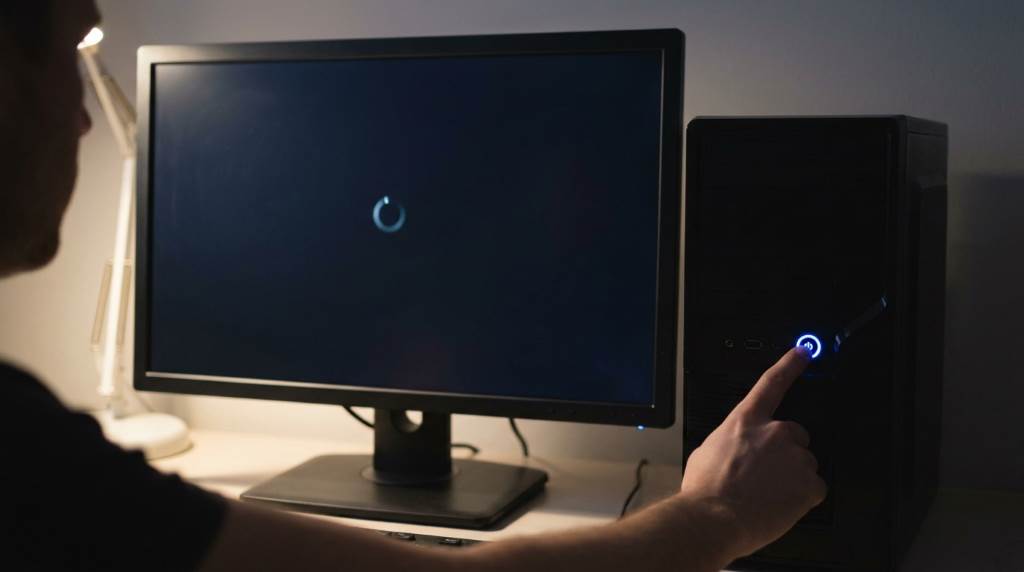
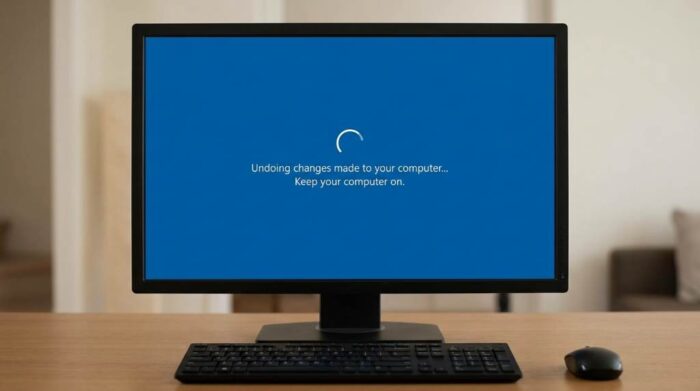
Seeing the “Undoing Changes Made to Your Computer” message can frustrate any Windows user. This issue usually appears after a failed Windows update, interrupted installation, or corrupted system files. According to Microsoft support data, update-related problems remain one of the most common causes of Windows startup failures in the USA. Additionally, industry reports suggest that nearly 30% of Windows troubleshooting cases involve update installation errors. Fortunately, you can resolve this issue using several proven methods. This guide explains practical solutions that help restore your computer safely and efficiently.
Understand Why the “Undoing Changes Made to Your Computer” Error Appears
This message appears when Windows cannot successfully complete system changes. The operating system attempts to reverse recent updates or modifications to prevent permanent damage.
Several factors can trigger this problem. Common causes include corrupted update files, damaged system components, driver conflicts, power interruptions, and insufficient storage space.
Before attempting repairs, protect your important files whenever possible. Following proper backup practices, such as those discussed in backup smartphone photos external storage strategies, helps prevent data loss during recovery.
Wait for the Process to Complete
Sometimes Windows requires additional time to reverse failed updates. Therefore, patience can prevent unnecessary troubleshooting steps.
Allow the computer to continue processing for at least 30 to 60 minutes. During this period, avoid turning off the device unless the system becomes completely unresponsive.
If the loading screen remains frozen for more than one hour, proceed to the next troubleshooting method.
Force Restart Your Computer
A forced restart can interrupt a stuck recovery process and allow Windows to restart properly. However, use this method only after waiting sufficiently.
Press and hold the power button for approximately ten seconds. Once the computer shuts down, wait thirty seconds before restarting it.
If the error persists, you may need to access Windows Recovery Environment. Meanwhile, maintaining strong digital security practices, including methods described in protect home wifi security guides, helps protect your devices during troubleshooting.
Enter Windows Recovery Environment
Windows Recovery Environment provides several tools that can repair startup problems. Fortunately, most computers include this recovery feature by default.
To access recovery mode, follow these steps:
- Turn on your computer.
- Force shutdown when the Windows logo appears.
- Repeat this process three times.
- Select “Advanced Options” when recovery mode loads.
Once inside recovery mode, several repair options become available.
Run Startup Repair
Startup Repair automatically scans and fixes common boot problems. Therefore, this should be your first recovery attempt.
Navigate to Troubleshoot, then Advanced Options, and finally Startup Repair. Select your operating system and allow Windows to complete the scan.
The repair process may require several minutes. After completion, restart your computer normally.
Uninstall Recent Windows Updates
Failed updates frequently trigger the “Undoing Changes Made to Your Computer” error. Removing problematic updates often resolves the issue quickly.
Open Advanced Options and select Uninstall Updates. You can remove either the latest quality update or the latest feature update.
After uninstalling the update, restart your computer. Many users successfully resolve startup issues using this approach. Similar troubleshooting decision processes appear in technology comparison resources like clickfunnels vs leadpages evaluations, where identifying the source problem remains essential.
Boot Into Safe Mode
Safe Mode loads Windows with minimal drivers and services. Consequently, it helps identify software conflicts and corrupted drivers.
Access Safe Mode through the Advanced Startup Options menu. Select Startup Settings and then press the appropriate number key for Safe Mode.
If Windows starts successfully in Safe Mode, recent software installations or drivers may have caused the issue.
Remove Recently Installed Programs
Applications installed before the error appeared may interfere with system updates. Therefore, uninstalling recent programs can help restore stability.
Open Control Panel and review recently installed software. Remove suspicious applications and restart your computer afterward.
Update Device Drivers
Outdated or incompatible drivers can trigger update failures. Accordingly, verify that your critical drivers remain current.
Focus on graphics, storage, network, and chipset drivers. Download updates directly from official manufacturer websites whenever possible.
Run System File Checker
Corrupted system files often prevent Windows from completing updates successfully. Fortunately, System File Checker can repair many file-related problems.
Open Command Prompt from recovery mode and enter the following command:
- sfc /scannow
The scan may require twenty to forty minutes. Once completed, restart your computer and check whether the problem persists.
Use DISM Repair Commands
Deployment Image Servicing and Management tools repair damaged Windows system images. Therefore, DISM often resolves persistent update problems.
Open Command Prompt and execute these commands one at a time:
- DISM /Online /Cleanup-Image /CheckHealth
- DISM /Online /Cleanup-Image /ScanHealth
- DISM /Online /Cleanup-Image /RestoreHealth
Allow each process to complete fully before running the next command.
Perform System Restore
System Restore returns Windows to a previous working state. Consequently, this option can eliminate recent changes causing startup failures.
Access System Restore through Windows Recovery Environment. Select a restore point created before the problem started.
The restoration process preserves personal files while reversing system changes and software installations.
Reset Windows Without Losing Personal Files
If all other methods fail, resetting Windows can restore system functionality. Fortunately, Windows provides an option that preserves personal data.
Navigate to Troubleshoot and select Reset This PC. Choose the option labeled “Keep My Files.”
Although personal documents remain intact, installed applications will require reinstallation afterward.
Prevent Future Windows Update Problems
Preventative maintenance significantly reduces future update failures. Therefore, regular system care remains essential.
Consider following these best practices:
- Maintain at least 20 GB of free storage.
- Install driver updates regularly.
- Create restore points before major updates.
- Use a reliable power source during updates.
- Perform regular file backups.
- Run antivirus scans consistently.
Additionally, avoid interrupting Windows updates whenever possible.
When Should You Seek Professional Help?
Persistent errors after attempting all troubleshooting methods may indicate hardware failure. Storage drive issues and motherboard problems often require professional diagnosis.
If your computer repeatedly fails to boot, contact a certified repair technician. Professional assistance can prevent further system damage and potential data loss.
Conclusion
The “Undoing Changes Made to Your Computer” error usually results from failed Windows updates, corrupted files, or driver conflicts. Fortunately, most users can resolve the problem through recovery tools, Safe Mode, update removal, or system repair commands.
Start with the simplest solutions and gradually proceed to advanced troubleshooting methods. If these fixes restore your system, consider implementing regular backup and maintenance practices to avoid future disruptions.
Frequently Asked Questions
How long should I wait for “Undoing Changes Made to Your Computer”?
Wait at least 30 to 60 minutes before attempting any manual intervention.
Can I turn off my computer during this process?
You should only force shutdown if the process remains frozen for an extended period.
Will resetting Windows delete my personal files?
The “Keep My Files” option preserves your personal documents and data.
What causes failed Windows updates?
Corrupted files, driver conflicts, insufficient storage, and interrupted installations commonly cause failures.
Can hardware problems trigger this error?
Yes, failing storage drives and faulty hardware components can contribute to update failures.

Leave a Reply