

Want to grow your email list fast? The fastest lever you can pull is a lead magnet. That’s a free, specific resource you trade for someone’s email address. Not every lead magnet works, though. The ones that convert are narrow, useful right away, and solve one problem in under 20 minutes. This guide shows you how to build one, where to place it, and which mistakes quietly kill opt-in rates.
Most creators in the tech trends space know they “should” have a lead magnet. Fewer know why theirs isn’t converting. Or which format actually fits their audience. This article covers both the strategy and the execution. That way you can go from zero to a working opt-in funnel without guessing.
We’ll also flag a mistake almost nobody talks about: building your lead magnet before you check if anyone wants it. That one step changes everything downstream.
What Makes a Lead Magnet “High-Converting”
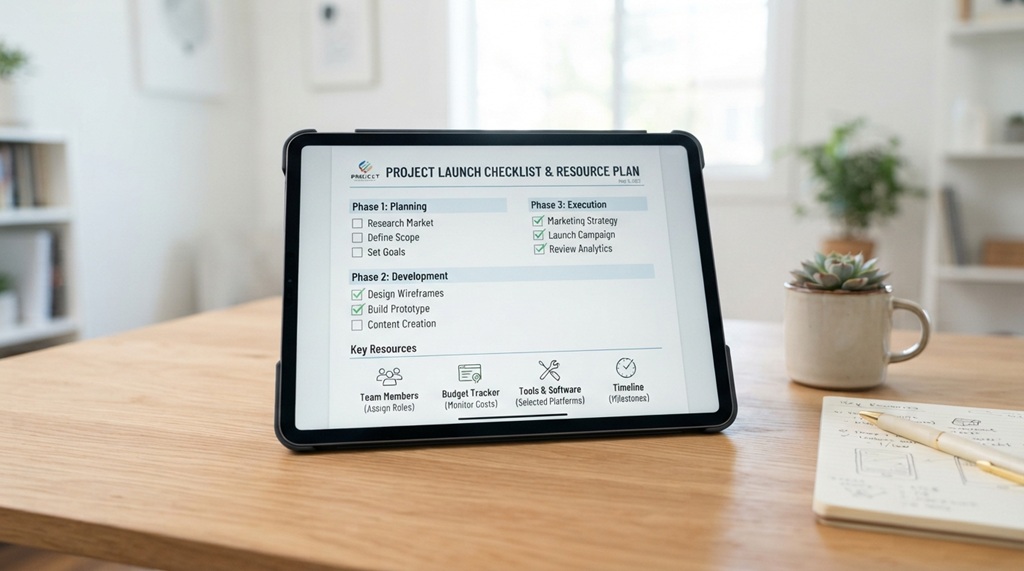
A high-converting lead magnet solves one specific problem instantly. It doesn’t try to cover a broad topic “eventually.” Once a lead magnet tries to be a full guide to everything, conversions drop. Visitors can’t tell in three seconds if it’s for them.
According to industry benchmarking reports, narrow offers beat broad ones. Think a single checklist or a one-use template. Why? They get consumed in minutes, not hours. Assets that take longer than 20 minutes tend to get downloaded and forgotten. Short, useful resources get opened right away. That’s what builds trust with a new subscriber.
There’s a design lesson hiding here too. How “impressive” a lead magnet looks has little to do with how well it converts. A two-page checklist built in an afternoon often beats a 50-page whitepaper that took weeks. Visitors want speed to value, not depth for its own sake. If you’re torn between impressive and instantly usable, pick usable.
The Three Non-Negotiables
- Specificity – name the exact person and problem it solves. “AI Tool Stack Checklist for Solo Tech Newsletters” beats “Guide to AI Tools.”
- Speed to value – give the reader a usable result in the first five minutes.
- A natural next step – point toward your paid product or community without a hard pitch.
Choosing the Right Format for a Tech Trends Audience
The best format depends on how your audience already reads content, not on what’s trendy. A tech-savvy audience responds well to formats that respect their time and their skepticism toward hype.
Formats That Tend to Convert Well
- Swipe files and cheat sheets – a curated list of tools or resources people can act on right away (example: “50 AI Tools Ranked by Use Case”).
- Templates – ready-to-use frameworks, like a content calendar, that save hours of setup work.
- Mini email courses – a short 3–5 email sequence that teaches one skill step by step. This also warms subscribers up before you pitch anything.
- Interactive quizzes – “What’s Your Ideal AI Stack?” style tools that give a personal result. These tend to boost both opt-in rate and lead quality, since people self-sort as they answer.
- Short videos with a downloadable resource – pairing a two-minute video with a companion PDF is gaining traction. It serves people who like watching and people who like skimming, in one package.
Optimizing High-Value Lead Magnets for Maximum Audience Engagement
While extensive ebooks and dense whitepapers remain effective in enterprise B2B sectors, shorter and more actionable formats generally yield far higher conversion rates with broad tech audiences. Reserve deep-dive formats exclusively for complex industry reports, ensuring the content is broken into highly scannable sections that deliver a single, high-impact takeaway per page. Once your optimized lead magnet begins capturing qualified leads, your natural next phase is strategic monetization— start affiliate marketing with no money, designed to help you convert new subscribers into recurring passive revenue streams today.
Where to Place Your Lead Magnet
Placement matters almost as much as the offer itself. A great lead magnet buried at the bottom of a long article barely gets seen. The goal is simple: put the offer in front of people at the exact moment they’re most receptive.
On-Page Placements
- Above the fold on a dedicated landing page. For paid traffic or link-in-bio clicks, one focused page with one offer converts better than a busy homepage.
- Content upgrades inside blog posts. Offer a bonus that extends the article someone is already reading. A “swipe file version of this list” beats a generic sitewide popup, because it matches what the reader is already looking for.
- Exit-intent popups. These can recover visitors about to leave. Use them sparingly so they don’t feel intrusive.
- In-line CTAs mid-article. Place a soft opt-in prompt after you’ve already delivered value. It feels earned, not pushy.
One Detail Most People Miss
Your landing page’s mobile experience matters just as much as its design. Pages that render poorly on small screens lose a meaningful share of conversions before a visitor even sees the offer. A growing share of traffic on tech and newsletter sites now comes from phones. Test your page on mobile before you drive traffic to it.
How to Reduce Friction and Increase Opt-Ins
Every extra form field you add lowers your conversion rate. Friction is the most controllable variable in your funnel. Most creators assume the offer is the problem. Usually, it’s the number of hoops someone has to jump through to get it.
- Ask for email only. Save name, company, or phone number for later. Every extra field costs you conversions, and the drop-off adds up fast past two fields.
- Make the value obvious without scrolling. State what they get, and how fast, in the first sentence.
- Deliver instantly. Automate delivery so the resource lands within seconds, not “check back later.”
- Use specific CTA copy. “Send Me the Checklist” beats a generic “Submit,” because it restates the exact value on offer.
- Test one variable at a time. Change the headline, then the image, then the CTA. Bundling changes together makes it impossible to know what worked.
Writing Copy That Gets the Click
Your lead magnet’s copy has one job: make the value obvious in under five seconds. This isn’t about being clever. It’s about being instantly clear.
A Simple Structure That Works
- Headline: name the outcome, not the format. “Cut Your AI Research Time in Half” beats “Free AI Tools Guide.”
- Subheadline: name who it’s for and how long it takes to use. Specificity builds trust fast with a skeptical audience.
- Three bullet points: each one should describe something concrete the reader will know or be able to do. Skip vague promises like “learn about AI.”
- Social proof, if you have it: a subscriber count or a testimonial lowers perceived risk, especially for newer sites.
Avoid phrases like “unlock exclusive access” or “learn everything you need to know.” Tech audiences tune out vague marketing language fast, because they see it everywhere. Concrete numbers and specific outcomes read as more credible than broad claims.
The Overlooked Step: Validate Before You Build

Most lead magnet guides skip this step entirely: test demand before you spend hours designing the asset. Building a polished resource nobody asked for is one of the most common, and most avoidable, reasons a lead magnet underperforms.
Here’s a fast way to validate an idea. Post the exact headline or promise of your planned lead magnet as a poll or a short social post. See what response it gets before you build anything. If “Would a checklist ranking the top 20 AI writing tools by price be useful?” gets real engagement, you’ve validated demand for almost no cost. If it gets silence, you just saved yourself hours.
This solves a second problem too. Once you know the phrasing that got people excited, you already have your landing page headline. You’re not guessing at copy after the fact. You’re reusing language your own audience already responded to.
Common Mistakes That Quietly Kill Conversions
Even a well-designed lead magnet can underperform if one of these issues is present. Most are easy to fix once you know to look for them.
- Offering something too broad. “The Ultimate Guide to Tech” tells a visitor nothing about what they’ll actually get.
- Hiding the CTA below too much text. If someone has to scroll far to find the opt-in, you lose people who were ready to convert.
- Skipping the follow-up sequence. A lead magnet without a welcome sequence wastes a new subscriber’s momentum. Engagement is highest in the first 48 hours after opt-in.
- Ignoring mobile design. A form that’s hard to tap, or a page that loads slowly, quietly bleeds conversions you’ll never see in a basic pageview count.
- Never updating the offer. A lead magnet about “trending AI tools” from two years ago signals outdated content fast to a tech-savvy audience.
Frequently Asked Questions
How long should a lead magnet take to create?
Not long. Many of the best-performing lead magnets are checklists, templates, or short guides you can build in a single afternoon. Aim for usefulness and specificity, not production value or length.
What’s a good email list growth rate to aim for?
There’s no universal number. It depends on your traffic source, niche, and how targeted your lead magnet is. A better goal than a fixed percentage: steady week-over-week growth, paired with strong engagement from new subscribers. That signals you’re attracting the right people, not just more people.
Should I gate my best content behind a lead magnet?
Usually not. It’s more effective to give away genuinely useful free content, and use the lead magnet as a shortcut for people who want the done-for-you version. Gating your best material too hard can hurt trust before someone has a reason to hand over their email.
How many lead magnets should I have at once?
Most creators do better starting with one focused lead magnet per key audience segment or content pillar. Don’t scatter several generic offers across your site. Once your first one converts reliably, it’s easier to add more than to fix several weak offers at once.
Do quizzes really convert better than PDFs?
Often, yes. Interactive formats like quizzes tend to post higher opt-in rates than static downloads. They feel personal and ask for active participation before the email request even appears. That said, a well-targeted checklist can still beat a poorly designed quiz. Format matters less than specificity and relevance.
Final Thoughts
Growing your email list fast isn’t about publishing more lead magnets. It’s about making one specific, fast-to-consume offer that speaks to a problem your audience already knows they have. Validate the idea before you build it. Keep friction low. Place the offer where intent is highest. Follow up quickly once someone opts in. Get those fundamentals right, and a simple one-page checklist can outperform a lead magnet ten times more polished.

Leave a Reply